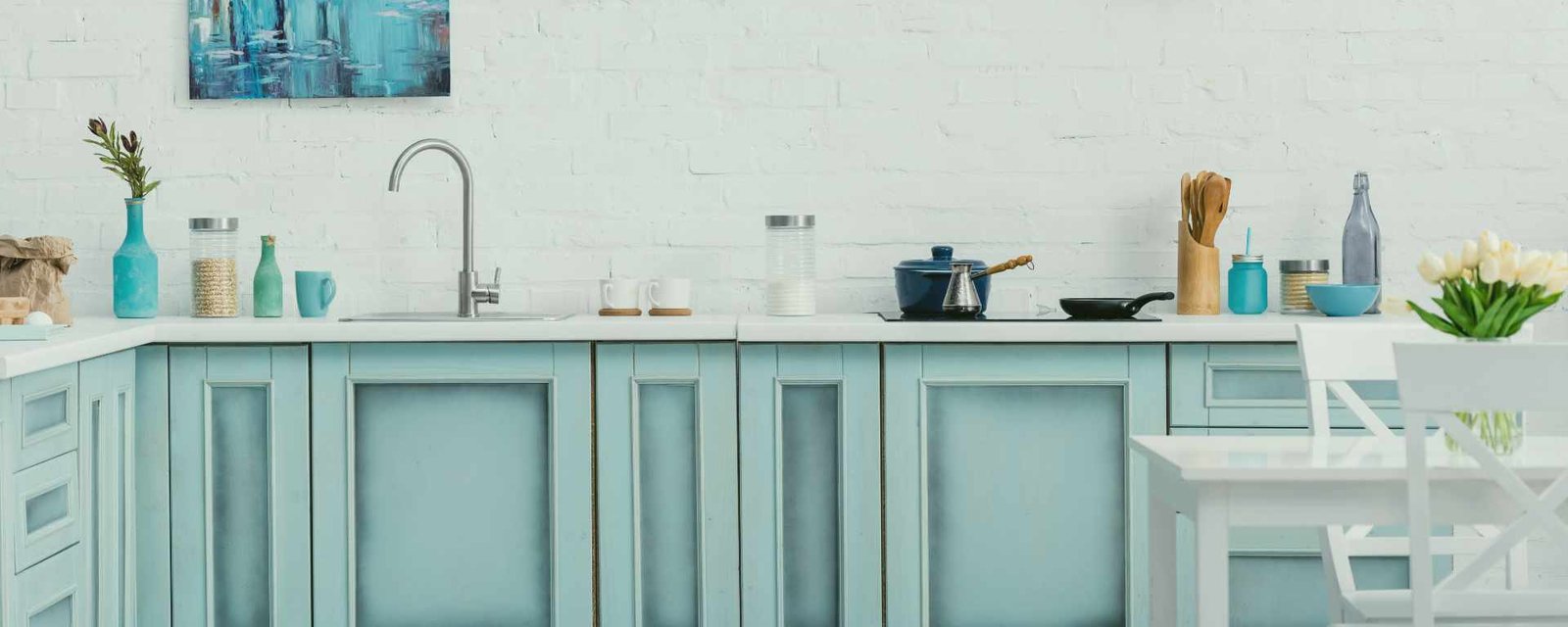
Smart Reduction isn’t about living with nothing. It’s about living with what works.
If you want a fresh way to approach decluttering—one that feels positive instead of punishing—try this:
Stop asking, “What should I get rid of?”
Start asking, “What would I intentionally bring with me?”
That simple shift changes everything. It moves you from guilt to clarity. From “loss” to “design.”
In Smart Reduction, I use two mental models that almost everyone understands instantly:
- The RV Lifestyle Lens
- The Tidy 5-Star Airbnb Lens
Both models help you decide what’s worth keeping—because they make your home feel like a place you choose, not a place you manage.
Why This Works: Constraints Create Clarity
In real life, our homes tend to expand to fit our stuff.
In an RV (or even a suitcase), space is limited, so choices become more intentional.
Same with a great Airbnb. It has what you need, it looks good, and it feels calm—because nothing extra is fighting for your attention.
These lenses work because they do something powerful:
They replace vague decisions with a clear standard.
Lens #1: The RV Lifestyle
“If I had to live well in a big RV, what would I bring?”
I like the RV model because it’s realistic. A well-designed RV has everything you need:
- a bed
- cooking tools
- storage
- a place to work
- a place to relax
What it doesn’t have is:
- five versions of the same item
- boxes of “maybe someday”
- piles of random extras with no home
In an RV, every item earns its keep. And every item has a dedicated place.
The RV Rules (Use These as Your Filters)
When you’re stuck on an item, ask:
- Would I bring this into my RV?
- Does it do more than one job?
- Would I miss it after 30 days—or only feel guilty letting it go?
- Does it deserve a dedicated home, or does it float around?
- If I didn’t own it already… would I buy it again today?
A lot of household clutter fails these tests fast. Not because it’s “bad,” but because it’s not active.
The RV Upgrade: Create “Zones” in Your House
You don’t need an RV to use RV logic.
Try this: walk through your home and label zones like an RV designer would:
- cooking zone
- morning zone
- laundry zone
- work zone
- hobby zone
- tools zone
Then ask:
Does each zone contain only what belongs there?
If not, you’ve found your clutter hotspots.
Lens #2: The 5-Star Airbnb
“What if my home felt like a great Airbnb—every day?”
A great Airbnb is one of my favorite examples of “enough.”
It usually has:
- a functional kitchen (not a warehouse)
- clean surfaces
- simple storage
- thoughtful decor
- maybe a few books, a blanket, a plant, a candle
And it does not have:
- counter clutter
- overflowing closets
- piles on the floor
- junk drawers that breed
- random gear shoved under beds
The magic isn’t that it’s sterile. It’s that it’s right-sized.
It’s designed to feel good.
The Airbnb Question
Here’s the question that changes a room instantly:
If this room were a top-rated Airbnb… what would be different?
Most people immediately see:
- what needs to be cleared
- what needs a better home
- what’s beautiful and worth keeping
- what’s just noise
And you don’t need to redecorate. You mostly need to remove the extras.
A Quick Personal Note on Camping (Yes, I Live in Colorado…)
Confession: I’m not a big camping guy.
I like a comfy bed. I like a warm shower—ideally daily.
Sleeping bags feel tight. Nights feel cold. I’m not trying to prove anything.
But there’s one thing I genuinely love about camping: the simplicity.
Before a trip, you pack what you need.
If you pack well, you use almost all of it.
And it’s remarkable how happy we can be—outside, with fresh air—without 90% of what’s sitting in our houses.
That contrast is the point.
I’m not suggesting we all live in tents.
I’m suggesting we borrow the insight:
Most homes contain far more than they serve.
Do you really need a 3rd or 4th set of china when 2–4 plates cover most real life?
The “Glamping at Home” Challenge
Recreate the feeling—without moving.
Here’s a simple exercise you can do this weekend:
Step 1: Pick one space
Choose one:
- kitchen counters
- your bedroom
- the entryway
- the guest room
- a bathroom
- the garage workbench area
Step 2: Choose your lens
Ask either:
- “RV: would this come with me?”
or - “Airbnb: would this be here?”
Step 3: Keep only what supports the experience
Your aim isn’t emptiness. Your aim is:
- function
- calm
- ease
- faster cleanup
- clear surfaces
- “I know where things are”
Step 4: Create one “dedicated home” rule
Pick one rule and apply it immediately:
- Every item gets a home
- No duplicates unless they’re truly needed
- Nothing lives on the floor
- Counters stay mostly clear
- One-in/one-out for new purchases
You’ll feel a difference fast.
What You’ll Notice When You Use These Lenses
People often tell me:
- “I didn’t realize how much stuff was just… there.”
- “I keep moving things around instead of deciding.”
- “I want my home to feel easier.”
- “I want to enjoy my space again.”
That’s Smart Reduction in a nutshell.
Clutter steals space, time, and peace of mind.
When it goes down, options go up.
Where Coaching Helps (And Where You Can DIY)
You can absolutely do this on your own if you’re self-motivated.
Most of the work is mental: clarifying what stays, and why.
Coaching helps when:
- you get stuck in “maybe” decisions
- you want momentum fast
- your partner disagrees
- you’re prepping for a move or sale
- you want an objective system (and someone to keep you moving)
That’s exactly what I do.
Quick Checklist: Are You Ready for the RV/Airbnb Lens?
✅ Try this approach if:
- you’re tired of managing piles
- you want your home to feel calmer and more functional
- you’re ready to keep the best and right-size the rest
- you want a simple decision standard that doesn’t feel extreme
Start with one room. One shelf. One zone.
Small wins create big momentum.